
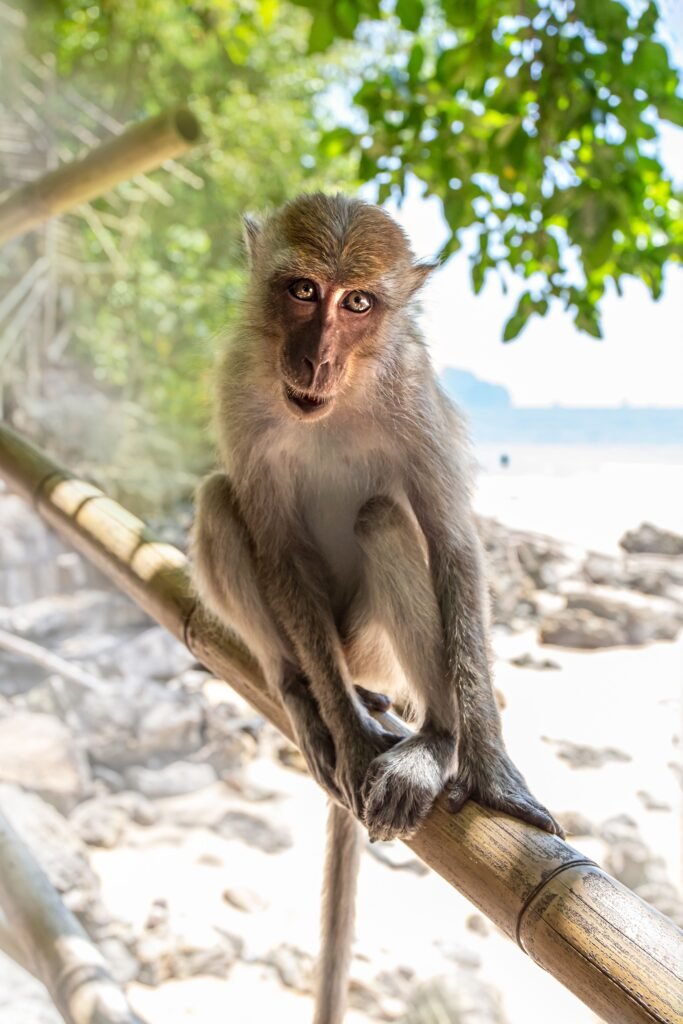
In 2011, a crested macaque in Indonesia picked up a photographer’s camera and snapped a grinning selfie. The photo went viral, and then it went to court. The monkey selfie lawsuit ended up asking a question nobody had needed to answer before, which is whether an animal can own a copyright.
How the Monkey Selfie Happened
British wildlife photographer David Slater traveled to the Indonesian island of Sulawesi to photograph crested black macaques. According to Slater, he set up his camera so the curious monkeys could interact with it. One of them pressed the shutter and captured a series of photos, including a close-up, toothy grin that became famous around the world.
Slater published the photos, and they quickly spread online. For him, they were a big professional opportunity. But the images soon became the center of a long legal fight.
The First Dispute Over Copyright
The first conflict came when the photo was uploaded to Wikimedia Commons, a free media library. Slater asked for it to be removed, arguing that he owned the copyright. Wikimedia refused, saying the photo had no copyright owner because it was taken by a monkey, not a person.
In 2014, the U.S. Copyright Office weighed in indirectly. It updated its official guidance to make clear that it wouldn’t register works produced by animals, and it specifically listed a photograph taken by a monkey as an example. That was a major blow to Slater’s claim.
PETA Sues on Behalf of the Monkey
In 2015, the animal rights group PETA filed a lawsuit in federal court in San Francisco. It sued on behalf of the macaque, whom it called Naruto, arguing that Naruto was the true author and owner of the photo. PETA asked to manage the proceeds from the photo for the benefit of Naruto and other monkeys.
Slater disputed PETA’s claims, including whether Naruto was even the monkey in the photo. He also said the legal fight was draining him financially. The case drew attention around the world as both a serious legal question and a bit of a spectacle.
What the Courts Decided
In 2016, a federal judge dismissed the case. The judge ruled that the Copyright Act doesn’t extend protection to animals. PETA appealed to the Ninth Circuit Court of Appeals.
In 2017, before the appeals court ruled, Slater and PETA announced a settlement. Slater agreed to donate 25 percent of future revenue from the photos to charities protecting crested macaques. The parties asked the court to dismiss the appeal.
The Ninth Circuit declined to simply drop the case. In 2018, it issued a ruling holding that animals don’t have standing to sue under the Copyright Act. The court also criticized PETA, questioning whether the group was really acting in Naruto’s interests. Stanford’s Copyright and Fair Use Center has a clear summary of the ruling.
Who Owns the Photo Now?
The lawsuit settled the question of whether the monkey could own the copyright, and the answer was no. Whether Slater owns it is a separate question that was never fully resolved in U.S. court. Under the Copyright Office’s position, a photo taken entirely by an animal isn’t eligible for copyright protection.
Slater has argued that his setup, planning, and equipment made him the creative force behind the image. Copyright law in some other countries might treat his contribution differently. But in the United States, the photo has largely been treated as public domain.
Why the Monkey Selfie Matters Now
The monkey selfie case seemed quirky at the time, but its central question has become much more important. If a work isn’t created by a human, who owns it? That question now applies to art, writing, and images created by artificial intelligence.
The Copyright Office has continued to take the position that copyright requires human authorship. That same rule has come up again in recent disputes over AI-generated works. A monkey with a camera ended up helping set the stage for one of today’s biggest legal debates.
One Grin, Years of Litigation
The monkey selfie lawsuit is one of the strangest cases in modern legal history, and one of the most influential. It started with a curious macaque and ended with a federal appeals court ruling on the limits of copyright law. Along the way, it raised questions about animal rights, creativity, and ownership. It deserves a spot right next to the Pepsi fighter jet case and the Subway footlong lawsuit in the hall of fame of strange lawsuits.
It’s also a fun reminder that the law sometimes has to catch up to situations nobody predicted. A camera, a monkey, and a smile were enough to push courts into brand-new territory. Expect more cases like this as technology keeps changing how creative work gets made.