In 1989, Lyle and Erik Menendez shot and killed their parents, Jose and Kitty Menendez, in the family’s Beverly Hills mansion. Their trials in the 1990s became some of the first true crime sensations of the cable TV era. More than three decades later, the Menendez brothers’ trial is drawing a whole new audience, and the case still isn’t finished.
The Killings
On the night of August 20, 1989, Jose and Kitty Menendez were shot to death in the den of their home. Jose was a wealthy entertainment executive, and the family lived a life of luxury. Lyle, then 21, called 911 and said he and Erik, then 18, had come home and found their parents dead.
At first, investigators suspected a mob hit. But in the months after the killings, the brothers spent large amounts of money on cars, watches, businesses, and travel. That spending drew attention, and the case eventually turned toward the brothers themselves.
The Arrests
The breakthrough came from Erik’s psychologist, Jerome Oziel. Erik had confessed to the killings during therapy sessions, and a dispute over those recordings eventually became central to the case. The brothers were arrested in March 1990.
The legal fight over whether the therapy tapes could be used in court lasted for years. The California Supreme Court eventually ruled that some of the recordings could be admitted. That fight delayed the trial until 1993.
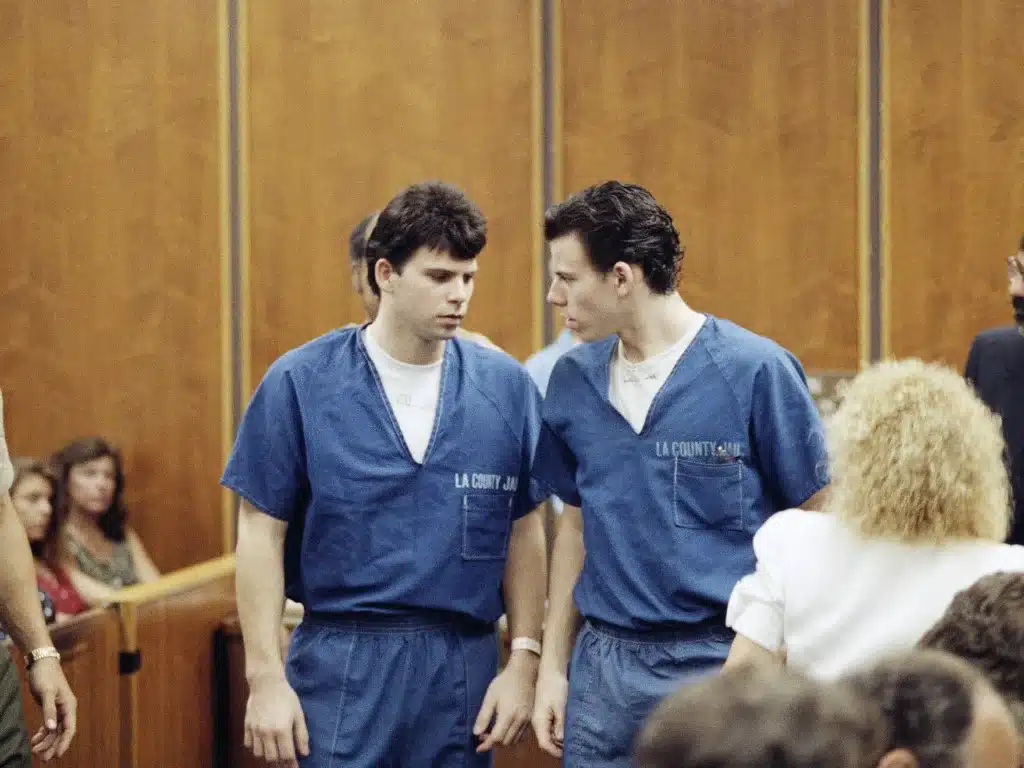
The First Trial
The first trial began in 1993 and was broadcast on Court TV, which made it one of the first trials many Americans watched live. That kind of gavel-to-gavel coverage paved the way for later TV trials like the Casey Anthony trial. The brothers didn’t deny killing their parents. Instead, their defense argued they acted out of fear after years of sexual, emotional, and physical abuse by their father, with their mother knowing about it.
Prosecutors argued the brothers killed their parents for money and invented the abuse claims to win sympathy. Defense attorney Leslie Abramson, who represented Erik, became one of the most recognizable faces of the trial. The brothers were tried together but had separate juries.
Both juries deadlocked in early 1994, and the judge declared mistrials. Some jurors accepted the abuse claims and wanted manslaughter verdicts. Others believed the killings were planned murder.
The Second Trial
The retrial began in 1995 with a single jury and no TV cameras. The judge limited how much abuse evidence the defense could present, which made it harder to argue the brothers acted out of fear. The prosecution again focused on planning and financial motive.
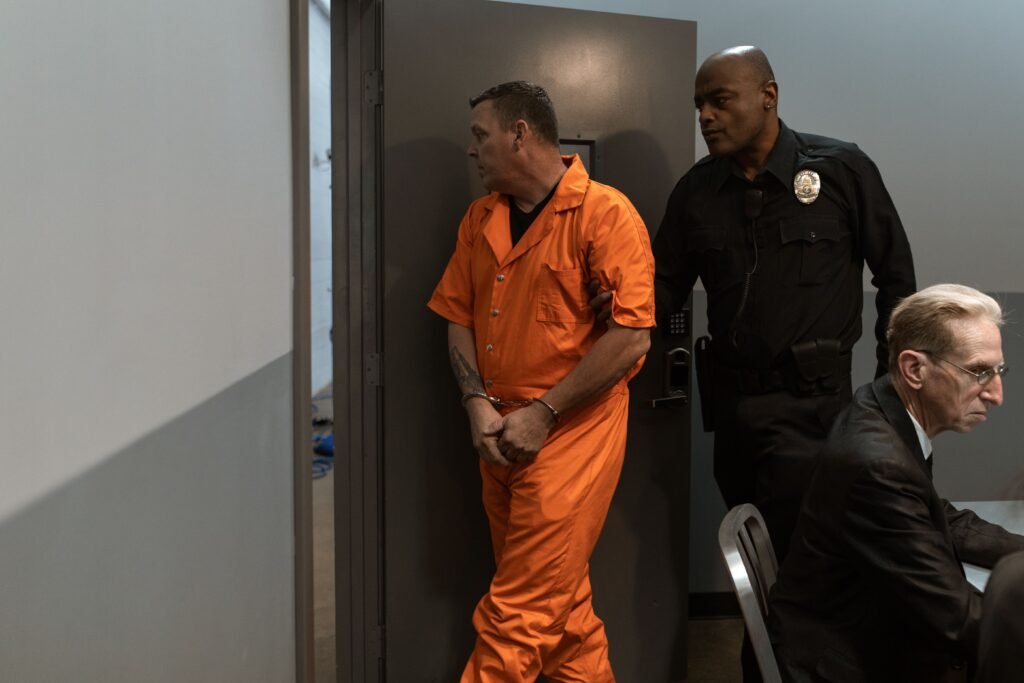
In March 1996, both brothers were convicted of first-degree murder. They were sentenced to life in prison without the possibility of parole. For decades, it looked like that was the end of the story.
Why the Case Came Back
Interest in the case surged again in the 2020s. The Netflix series “Monsters: The Lyle and Erik Menendez Story” and a follow-up documentary brought the case to millions of new viewers in 2024. Around the same time, new evidence surfaced that supporters said backed up the abuse claims.
In May 2025, a Los Angeles judge resentenced the brothers to 50 years to life, making them eligible for parole. In August 2025, the parole board denied their release, citing their conduct in prison. In September 2026, the board granted them an earlier parole hearing, tentatively set for March 2027 instead of August 2028. Fox 11 Los Angeles reported that the earlier date came through a Proposition 9 provision that lets a hearing move up when circumstances change.
Why the Case Still Divides People
The Menendez case sits at the intersection of two hard questions. The brothers admit they killed their parents, and prosecutors have long argued the killings were planned. At the same time, supporters argue that the abuse claims were dismissed too easily in the 1990s and would be treated differently today.
That tension is what keeps people talking. Public attitudes about abuse, especially abuse of boys and young men, have shifted a lot since the original trials. The legal system is still working out what that means for this case.
The Case That Keeps Coming Back
The Menendez brothers’ trial shows how a case can look different depending on when it’s viewed. What seemed like a clear story of greed to many people in the 1990s looks more complicated to many viewers now. The upcoming parole hearing will be the next chapter. It’s one of the few famous trials whose story is still being written.
If you’re following the case, look for official updates from the California parole board and reliable news coverage. The story has moved quickly in recent years, and it isn’t over yet. The next few years could finally settle it.