
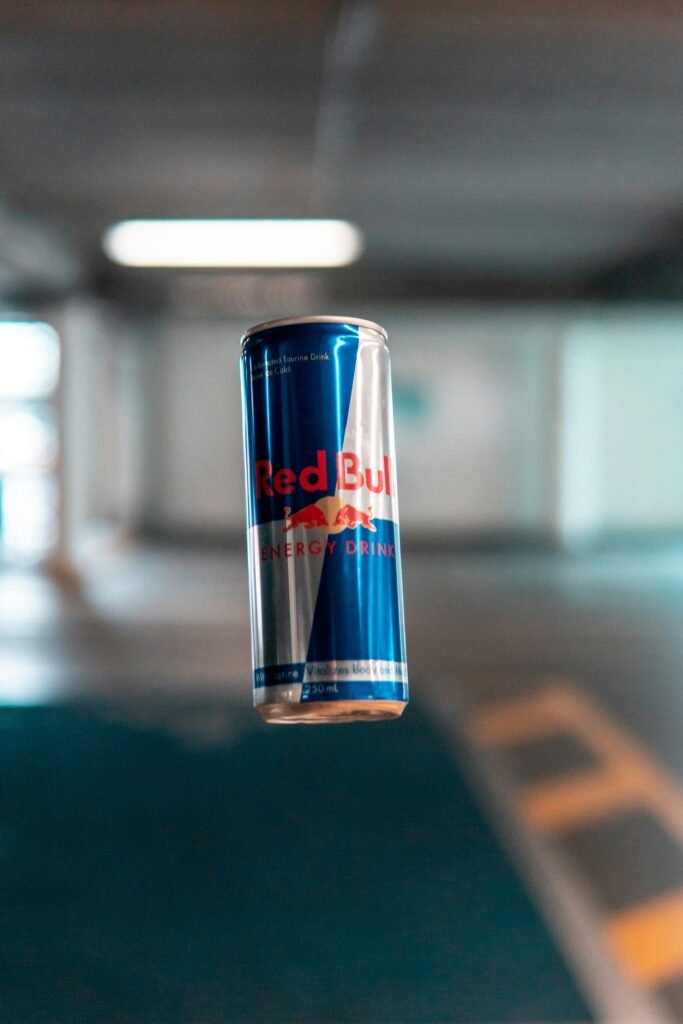
For years, Red Bull’s slogan promised that the drink “gives you wings.” Nobody seriously expected to sprout feathers, but in 2013, a class action lawsuit argued the company had overpromised in a different way. The case ended in a settlement worth millions, and it’s become one of the most-talked-about strange lawsuits of the last decade.
What the Lawsuit Actually Claimed
Contrary to the internet joke, the lawsuit wasn’t about people disappointed they couldn’t fly. The case, filed in New York by a consumer named Benjamin Careathers, argued that Red Bull marketed its drink as giving you better performance, focus, and energy than a cup of coffee. The complaint said there wasn’t solid science showing Red Bull did more than an ordinary caffeine source.
The slogan was only part of it. The lawsuit pointed to the brand’s overall advertising, which positioned the drink as a special performance booster. The legal theory was false advertising, which means claiming benefits a product doesn’t really deliver. Like most consumer disputes, it was a civil case, so the fight was over money rather than punishment.
Why Red Bull Settled
In 2014, Red Bull agreed to a settlement of about $13 million. The company didn’t admit any wrongdoing, and it maintained that its marketing was always accurate. Settling is common in class actions, because fighting one through trial can cost more than paying out, even when a company believes it would win.
Under the deal, people in the United States who’d bought Red Bull over roughly a 12-year period could file a claim. They could choose about $10 in cash or about $15 worth of Red Bull products. You didn’t need a receipt, which helped the settlement go viral. NBC News laid out the settlement terms when the claims process opened.
What Happened When the Internet Found Out
Once news of the settlement spread, claims poured in. Reports at the time said so many people signed up that the individual payouts ended up smaller than the original numbers. That’s how class action settlements often work, since a fixed pot of money gets divided among everyone who files.
The story also took on a life of its own online. Headlines joked that Red Bull was paying people because the drink didn’t give them wings. The real case was about scientific claims and energy marketing, but the wings version was simply funnier and spread faster.
Puffery vs. False Advertising
This case touches on a legal idea called puffery. Puffery is exaggerated sales talk that no reasonable person would take literally, like calling a burger “the best in the world.” Courts usually don’t punish companies for puffery, because it isn’t really a factual claim. Cornell Law School’s Legal Information Institute has a short definition of puffing in commercial law if you want the formal version.
“Gives you wings” is almost certainly puffery on its own. The trouble for Red Bull was the more specific performance claims around it, which sounded like they had scientific backing. That’s the line companies walk in advertising, and it’s why marketing teams work closely with lawyers.
Similar Lawsuits Over Advertising Claims
The Red Bull case is part of a long line of lawsuits over marketing promises. Subway was sued over footlong sandwiches that measured 11 inches, and PepsiCo was sued by a man who tried to claim a Harrier fighter jet from a commercial. Each case turned on a similar question:s what a reasonable customer would actually believe.
These cases can seem silly from the outside, but they help set the rules for what companies can promise. Over time, they push advertisers toward being more careful with specific claims, even while the flashy slogans stay. That’s a bigger impact than most people expect from a lawsuit about sandwiches and soda.
What the Red Bull Case Teaches Us
The Red Bull lawsuit is a great example of how a legal dispute gets simplified in the retelling. The real issue was whether energy drink marketing crossed from exaggeration into misleading claims. The internet turned it into a story about people wanting their wings.
Red Bull still uses the slogan today, and the company kept growing after the settlement. The case didn’t change the brand much, but it did remind every advertiser that specific performance claims need something to back them up. Sometimes the most famous part of a lawsuit is the part that never really happened.